Hi! I’m Jess. I’m 41 years old, born and raised in Mexico, and now living in Canada with my wonderful husband, Eric, and our amazing 10-year-old son. I live with Generalized Dystonia, a neurological condition that makes my muscles move without my permission. But this story isn’t about what I lost — it’s about everything I’ve fought for, everything I’ve gained, and the life I’m living on my own terms.
Before Dystonia: A Completely Normal, Very Active Little Girl
People are often surprised when I tell them I wasn’t born with any medical issues.
Not one.
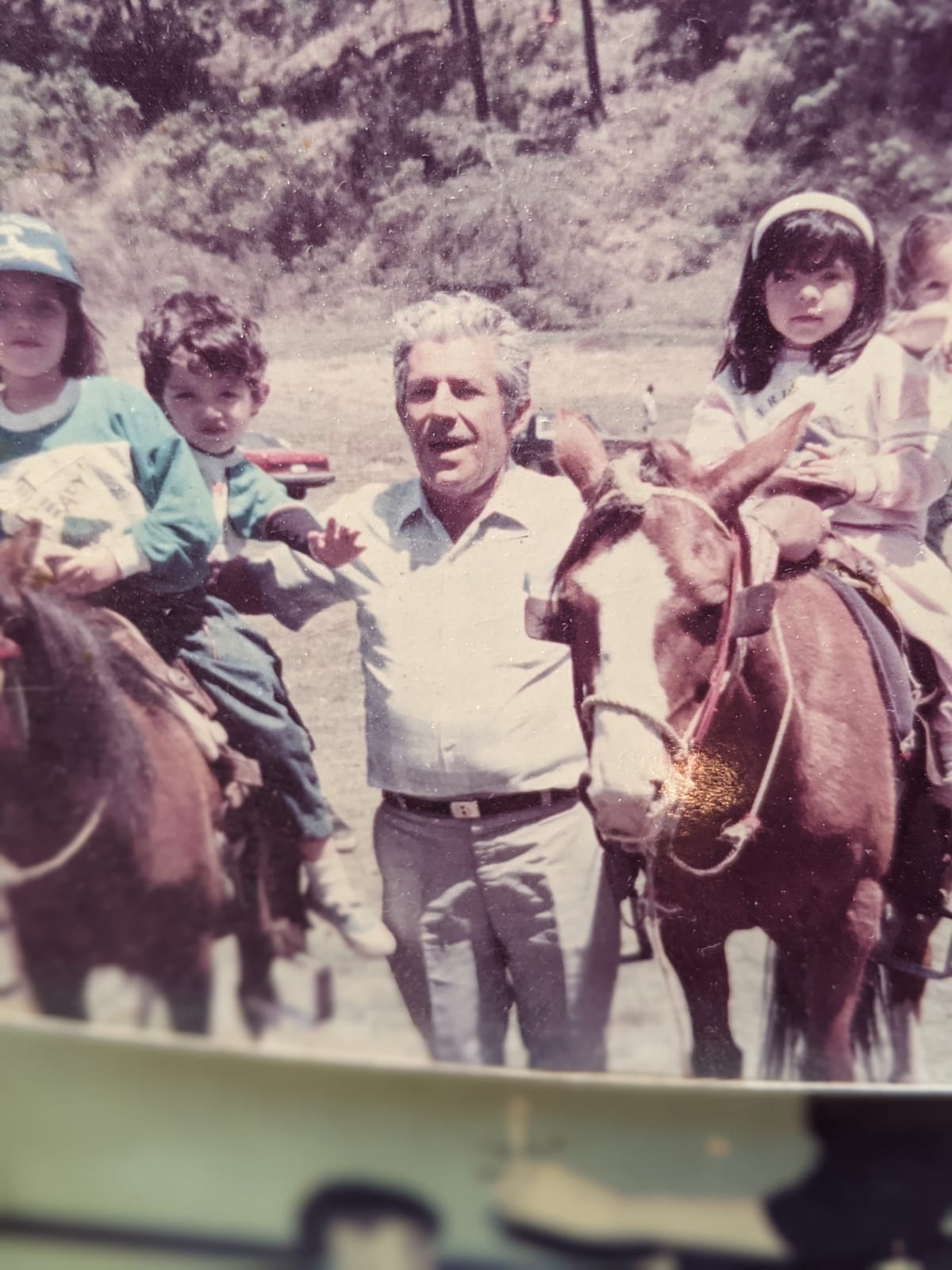
I grew up doing ballet, riding my bike, horseback riding, skating, rollerblading, playing outside — always moving, always full of energy. My childhood felt carefree and completely typical.
It wasn’t until 6th grade that everything started to change.
When My Body Started Acting on Its Own
My aunt and my parents were the first to notice I was tripping a lot. At first we brushed it off as clumsiness, but then I started noticing other strange things:
- My arms felt loose, light, and hard to control
- Simple movements didn’t feel simple anymore
- My legs twisted inward
- My back slowly began bending
- My feet started dragging
- My abdomen tensed
Little by little, my body stopped listening to me.
Eventually, walking upright became so painful that I had to rely on crutches just to keep myself straight. Without them, the pain in my back would become so intense that I’d end up in the hospital, sometimes needing to be sedated.
We started doing therapy every single day — and honestly, that routine kept me physically strong and emotionally grounded through some very confusing years.
Growing Up With Symptoms No One Could Explain
My symptoms became harder to hide, and school became complicated. Walking long distances was nearly impossible, so I changed schools several times.
Kids can be mean — and some absolutely were.
There were whispers, stares, comments, and bullying. I remember that in middle school, some girls even called me “Quasimodo” and said they were doing “dark magic” so I would die. Those moments hurt more than I ever admitted back then.
But I also had some of the best friends in the world.
In middle school, I mostly hung out with boys (girls were honestly way too mean back then 😂). Saul, Diego, Joel, and Paulo would come over to my house to play blackjack and other card games until very late. They picked me up to go to the movies, supported me, and never once made me feel different or like a burden. I remember someone once asking us if we were a rock band — and honestly, it felt kind of true 😄. They treated me like a sister, and I loved it.
And then there was one girl I met in middle school — Lupita Guevara — who became my best friend. She was my constant, my safe place, and my unwavering support. To this day, these friendships remain a huge part of who I am, and I am forever grateful for the love and strength they gave me.
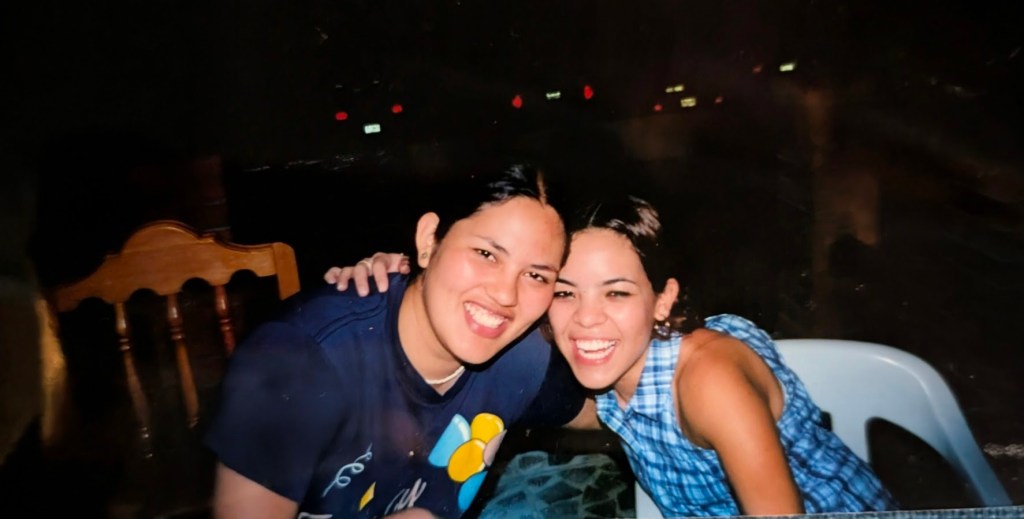
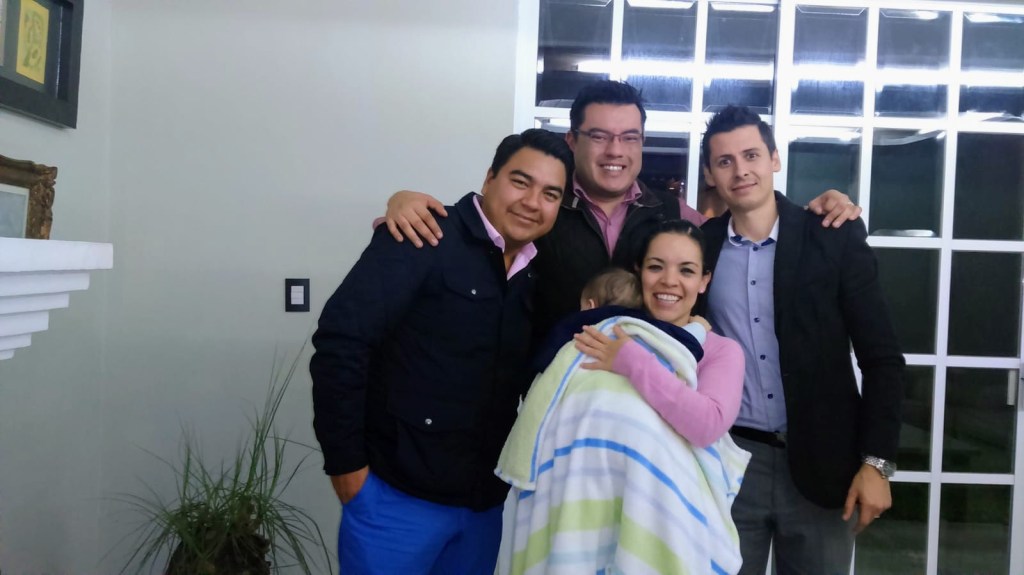
Later, in university, I made even more friends — Iván, Saul, Uriel, Elisa, Monse. What I loved most about that time is that everyone simply saw me as Jess. Not the girl who walked differently. Not the girl with a condition. Just Jess.
And then there was Gabo.
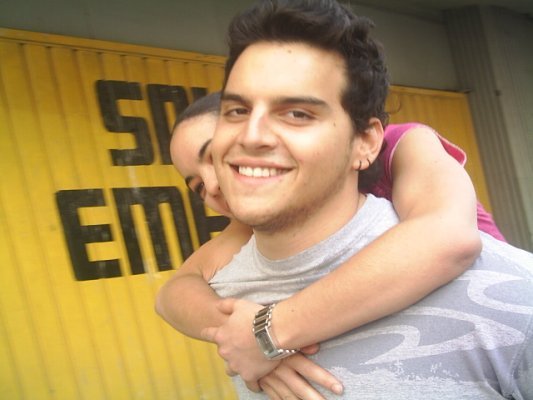
Gabo became one of my closest friends and one of the most special people in my life. When walking was too hard, he would carry me on his back so I didn’t have to struggle. He would come over just to talk, to listen to music, and to make me laugh. We would lie on my bed, staring at the ceiling, talking for hours about life, dreams, and everything in between.
He never treated me like I was fragile or broken — just human. Just worthy of friendship and joy. Gabo has since passed away, but his kindness, his laughter, and the love he gave so freely will always live in my heart.
Their kindness shaped me just as much as my challenges did.
Searching for Answers
In Mexico, no doctor could explain what was happening to me. So we tried everything:
- Magnet therapy
- Horse therapy
- Chiropractics
- Bee sting therapy (yes — actual bees 🐝)
- A rehabilitation program in Cuba where I trained 8 hours a day
- Different Medications
- Physiotherapy
Nothing worked. Not even a bit …
Finally, a Diagnosis
At 15, we traveled to Houston, Texas. That’s where a neurologist finally put a name to everything I had been living with: Generalized Dystonia — a rare genetic neurological disorder. What made it even harder to understand was that no one else in my family has it. It felt unfair and isolating, like my body had made this decision on its own.
The first approach was medication.
A lot of it.
I was prescribed baclofen, and at one point I was taking 21 pills a day. Imagine being a teenager and feeling constantly drugged — exhausted, foggy, and half-asleep most of the time. I wasn’t really living; I was just surviving from dose to dose.
When the pills weren’t enough, doctors moved on to muscle injections. Huge needles were inserted deep into my leg muscles using a machine to locate the exact spot. Each session was painful and time-consuming, and although there was some temporary relief, it never lasted. My body always found its way back to fighting me.
Brain Surgery — Twice
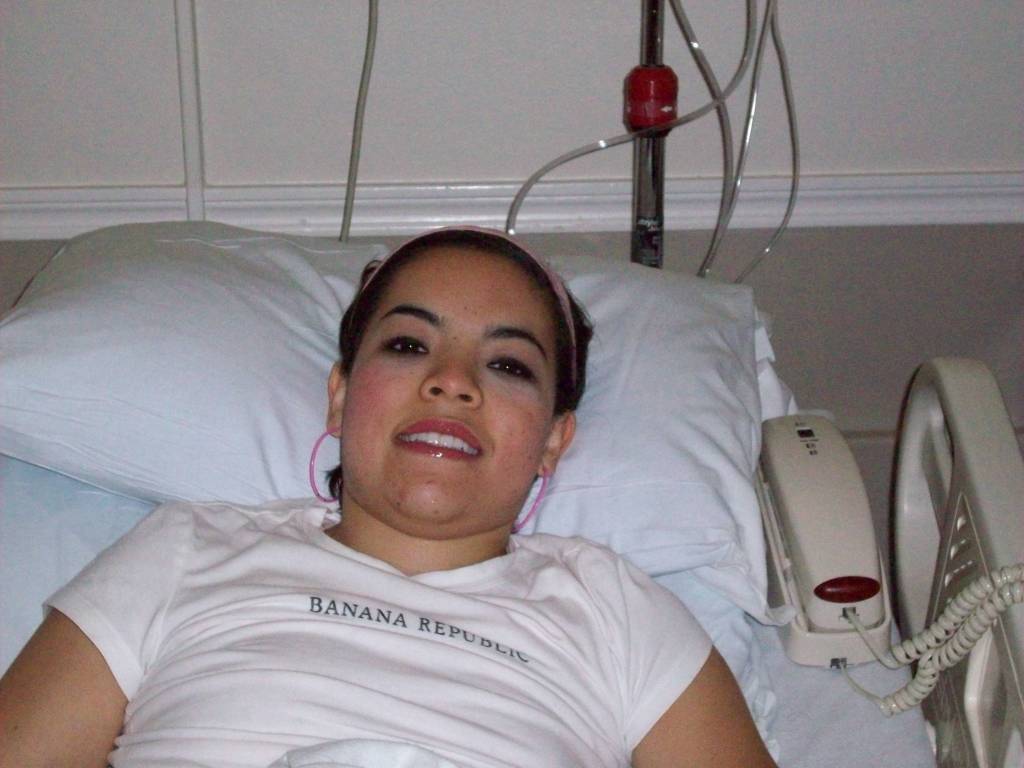
The next step was a pallidotomy, a type of brain surgery where doctors destroy a very small area of the brain responsible for sending abnormal movement signals. I had my head shaved — twice — and went through the surgery not once, but two times.
The first one worked.
For three beautiful months.
I could walk.
I slept without twisting or spasms.
I felt what “normal” might feel like.
And then, just like that, it all came back.
Because I was so young, my brain healed quickly — the surgical cut closed, and the bad signals returned as if nothing had ever been done. That moment devastated me. I remember feeling completely crushed, but also strangely clear-headed.
They tried a second time but unfortunately, it wasn’t successful.
That was when I understood something important:
Dystonia wasn’t going anywhere.
I had two choices:
1️⃣ Cry, feel sorry for myself, and live in anger
2️⃣ Accept my reality and build a life anyway
I chose the second one — always with my head held high.
I remember my dad once saying that he would give anything to take my dystonia from me so I could live a normal life. I know those words came from pure love, but they confused me deeply. Because even if that were possible, I would never give it to him.
This was mine.
My body.
My journey.
And as painful as it was, it was something I had to embrace, accept, and learn how to live with — on my own terms.
Once it became clear that surgeries alone wouldn’t be enough, my medical team and I had to face a hard truth: we still hadn’t found the right way to help my body quiet down.
The Baclofen Pump
After the surgeries and countless injections, the next treatment doctors suggested was the baclofen pump — something that sounded both strange and hopeful at the time.
A baclofen pump is a small device implanted under the skin of the abdomen. It slowly releases baclofen — a muscle relaxant — directly into the spinal fluid through a tiny tube.
The idea is that:
- the medication goes exactly where it’s needed,
- you need a much smaller dose,
- and you avoid the heavy side effects of taking pills.
For many people with severe muscle spasms, this can bring huge relief.
In my case, they implanted the pump so the medication could reach my legs and help my muscles relax without needing constant injections. Instead of being poked repeatedly in different muscle groups, the pump allowed the baclofen to flow continuously and evenly.
At first, it seemed promising… but over time, we realized the pump wasn’t improving my walking or controlling the involuntary movements enough.
I still struggled. I still couldn’t walk, write, play the piano. I still felt my body twisting against me.
So after five years — and many adjustments — we made the decision to remove it. It wasn’t the solution my body needed.
But every treatment, even the ones that didn’t work long-term, taught me something about resilience, patience, and advocating for myself. And each step — even the ones that failed — brought me closer to the treatment that would change my life forever: DBS.
Deep Brain Stimulation — The Turning Point
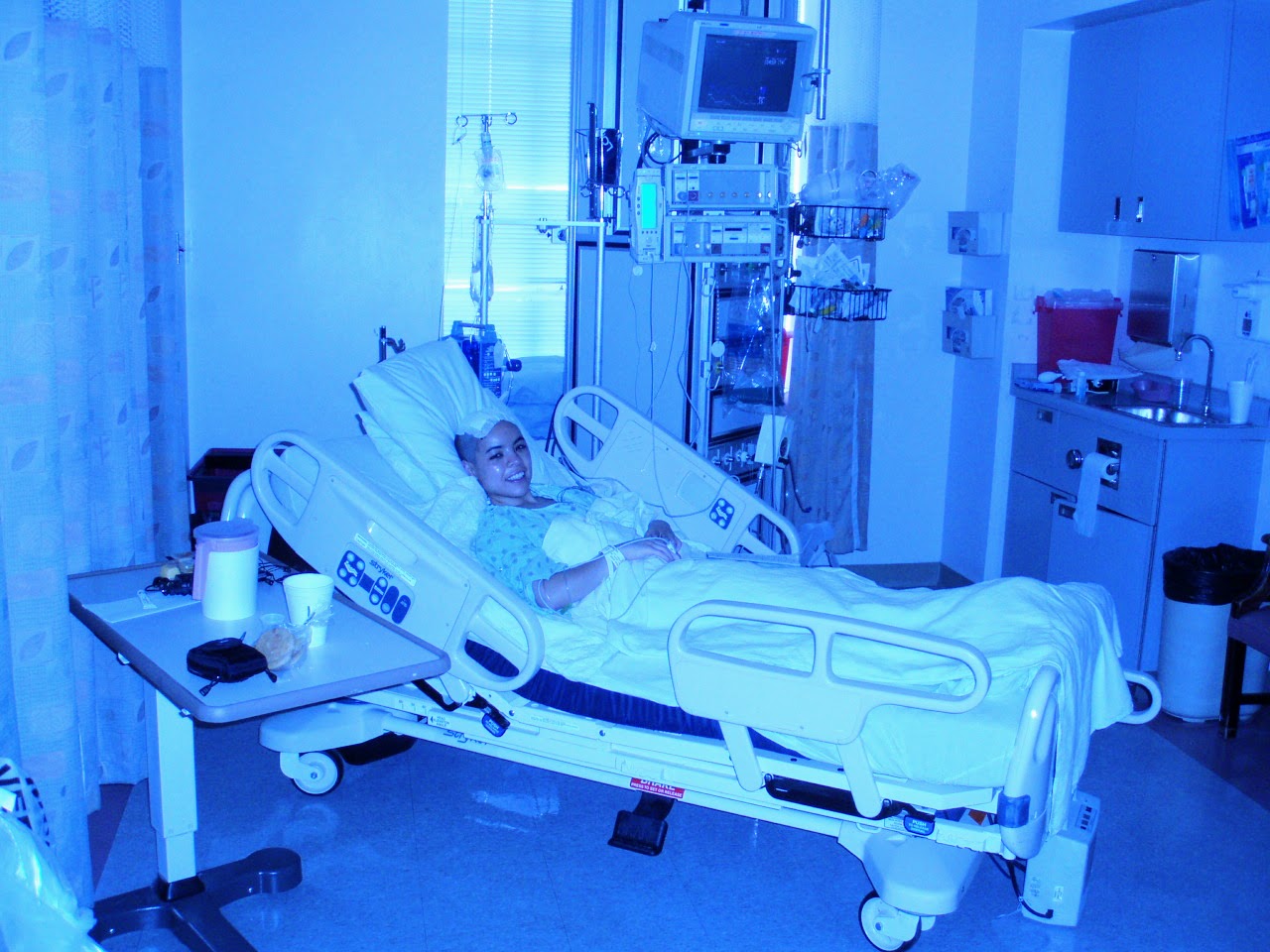
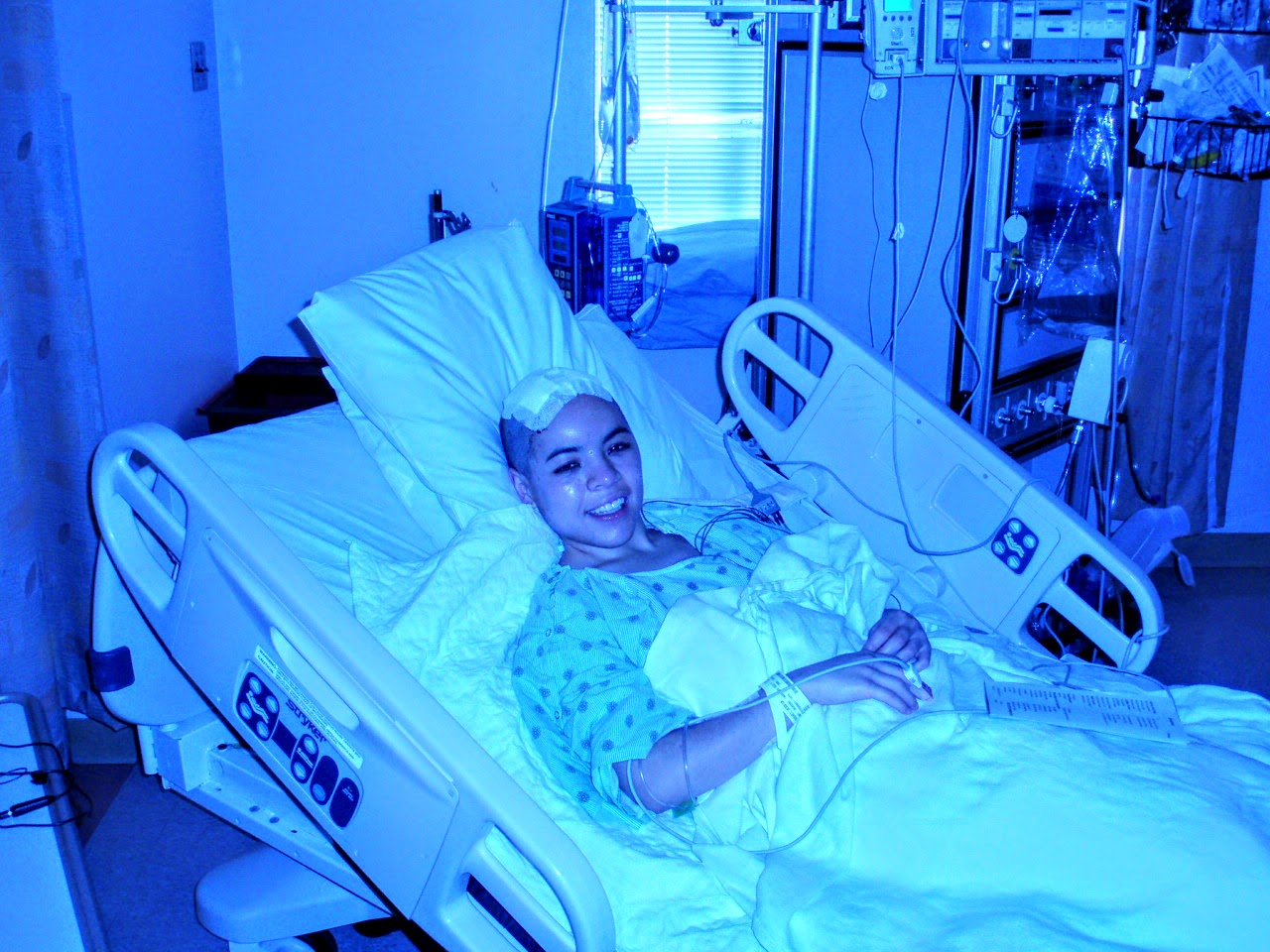
The final option doctors offered was Deep Brain Stimulation (DBS). It was terrifying, painful, and overwhelming — but it ended up changing everything.
Phase 1: Brain Surgery
Phase 1 was the most intense and frightening part of the entire process.
My head was shaved once again, and a stereotactic metal frame was bolted directly to my skull so my head could not move even a millimeter. The frame was essential — it allowed the surgeons to target an extremely specific, pre-mapped area of my brain with precision.
Next, they drilled a small hole into my skull. Through that opening, they inserted a very thin wire with multiple electrodes into the exact area responsible for the abnormal movement signals causing my dystonia.
I was awake the entire time.
This part is hard for people to imagine, but it’s done on purpose. While the wire was being placed, the medical team asked me to move different parts of my body, speak, read, and respond to questions. They needed to make sure my symptoms improved while also ensuring they weren’t affecting other senses like speech, vision, or cognition.
The surgery lasted about six hours.
Six hours of intense pressure on my head.
Six hours of fear.
Six hours of hope that this would finally work.
Phase 2: The Battery
Phase 2 happened later and was physically different but still very challenging.
In this surgery, doctors implanted the battery (or pulse generator) into my chest, just below the collarbone. They created a small pocket under the skin and carefully placed the device there.
Then, an extension wire was tunneled under my skin — from my scalp, down my neck and shoulder — to connect the brain electrodes to the battery in my chest. Everything was internal and hidden beneath the skin.
Recovery
Recovery was long and painful.
Because the skin had to be separated from muscle and tissue to tunnel the wires, the entire area became extremely inflamed. For weeks, I couldn’t turn my head, lift my arms properly, feed myself, or even shower on my own. Simple daily tasks felt impossible.
It took several months for my body to fully recover from the surgeries. Slowly, swelling went down, mobility returned, and strength came back — little by little.
Turning the DBS On
After my body healed, the DBS system still wasn’t turned on right away. My brain needed time to settle.
When doctors finally activated it, it wasn’t a switch — it was a process.
The battery in my chest sends tiny electrical impulses through the electrodes in my brain, helping interrupt the faulty signals that cause dystonia. During follow-up appointments, doctors adjusted the stimulation very gradually — changing voltage, frequency, and electrode combinations.
After each adjustment, I went home and lived with it for weeks or months to see how my body responded.
Because I have generalized dystonia, meaning it affects many parts of my body, finding the right settings took much longer. Every change affected my legs, torso, neck, hands — my entire body had to relearn how to move without fighting itself.
It took almost one full year of adjustments, patience, and relearning how to walk and move independently before we found the right stimulation. My final settings ended up being very high, simply because my dystonia is widespread.
But when it finally worked…
✨ I WALKED.
✨ I SLEPT.
✨ I LIVED.
A New Life in Canada
With my mobility restored, no more medication, and a new sense of independence, I made one of the biggest decisions of my life — I moved to Canada to study pastry.
For the first time in years, I felt free.
Truly free.
I studied. I worked. I rediscovered who I was beyond hospitals and treatments… and along the way, I met Eric. Together, we built a life, and not long after, we welcomed our son, Matty — the greatest joy of my life and my daily reminder of how far I’ve come.
Canada slowly became more than just a place to study — it became home.
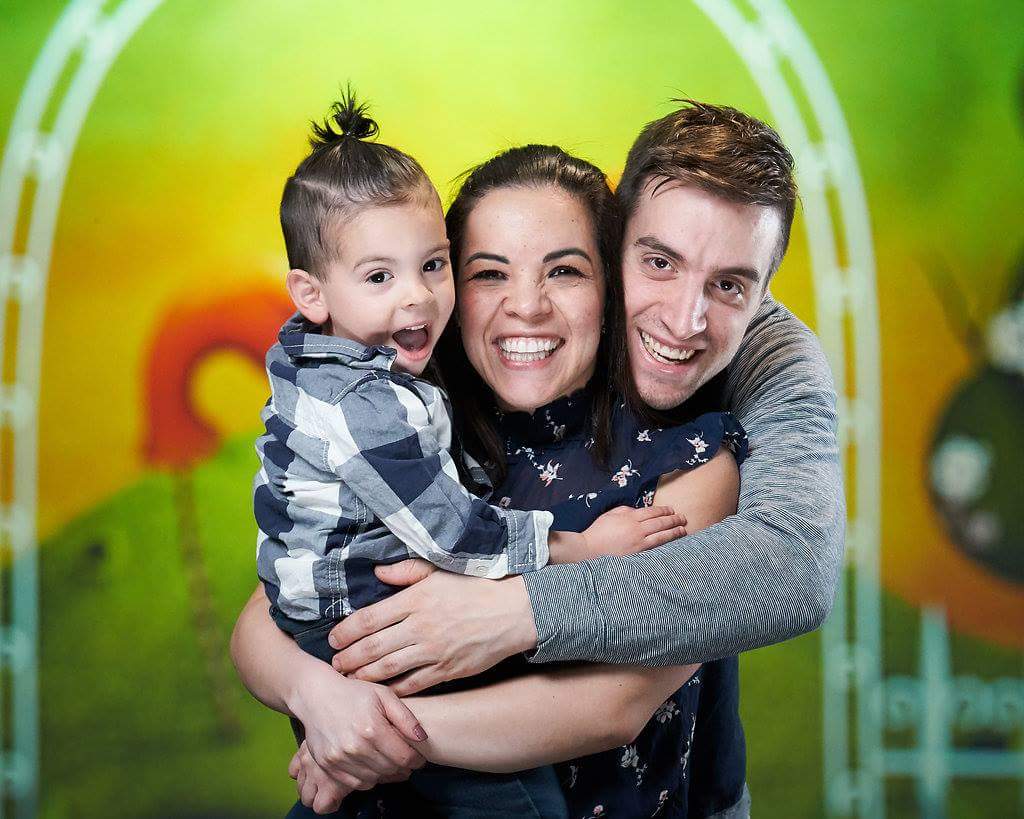
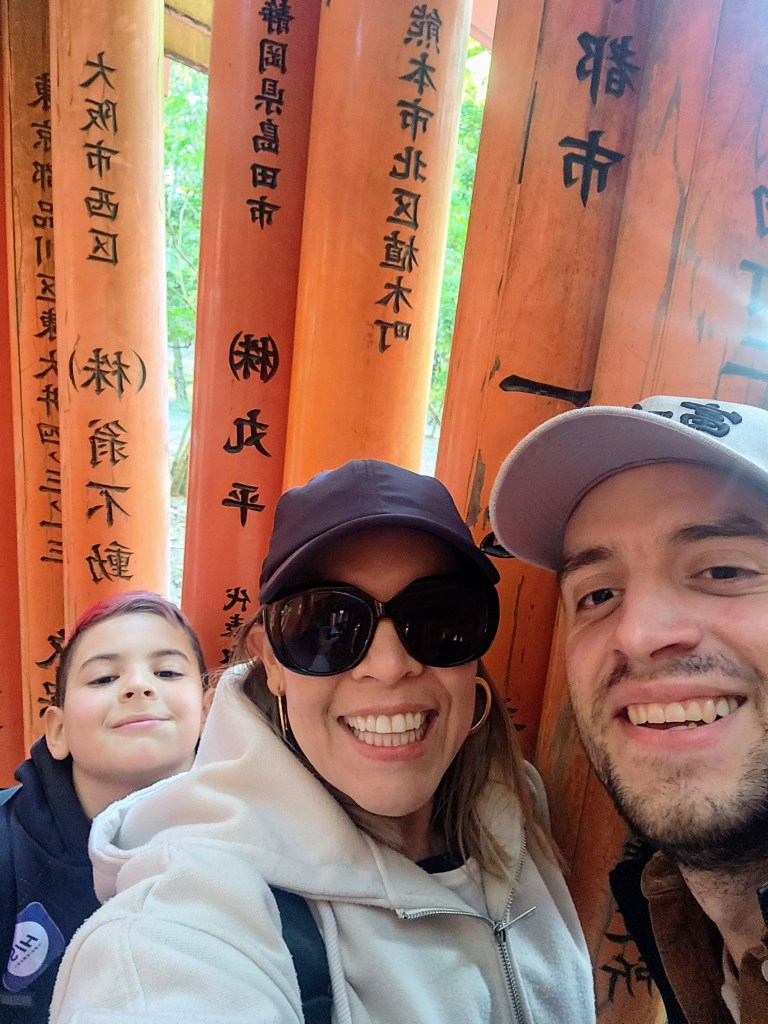
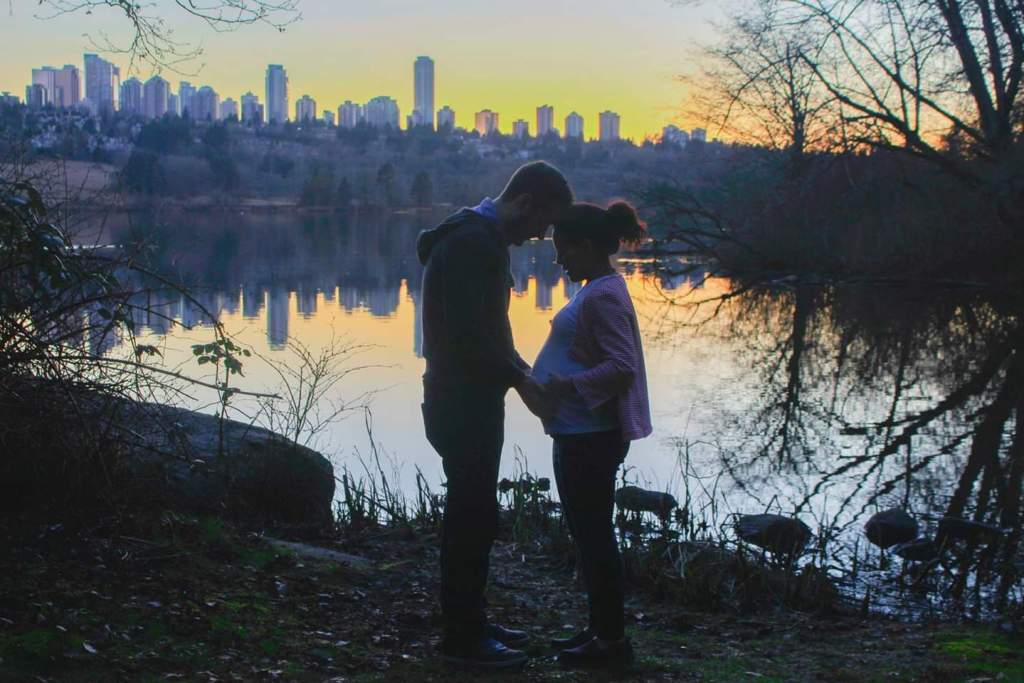
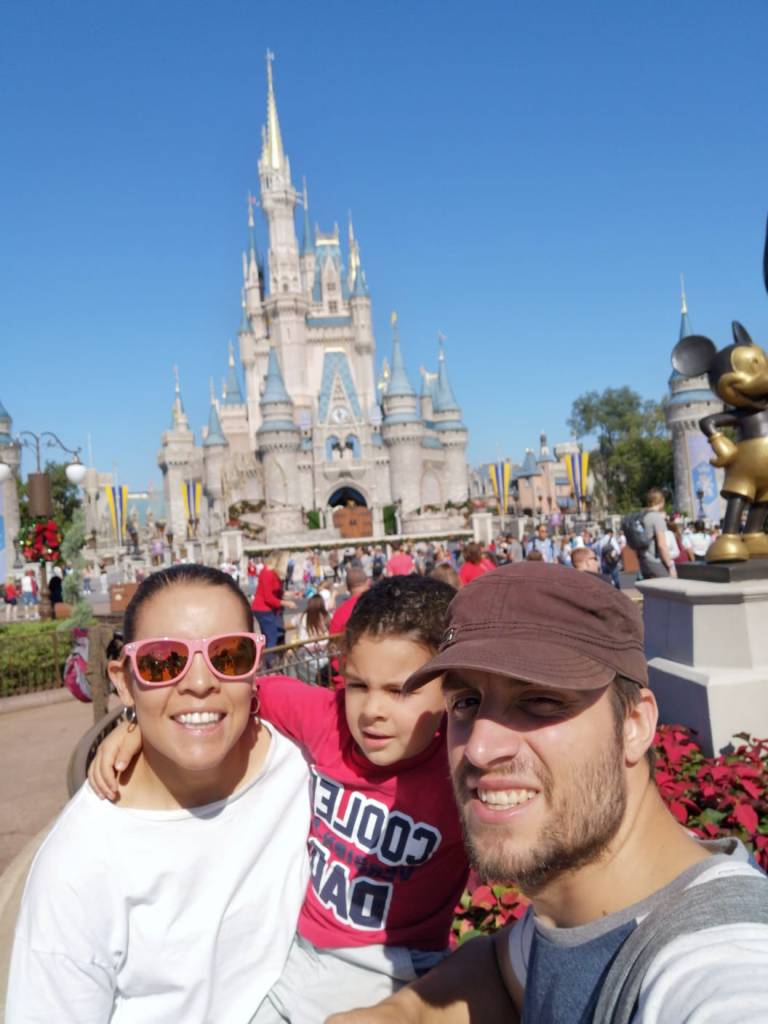
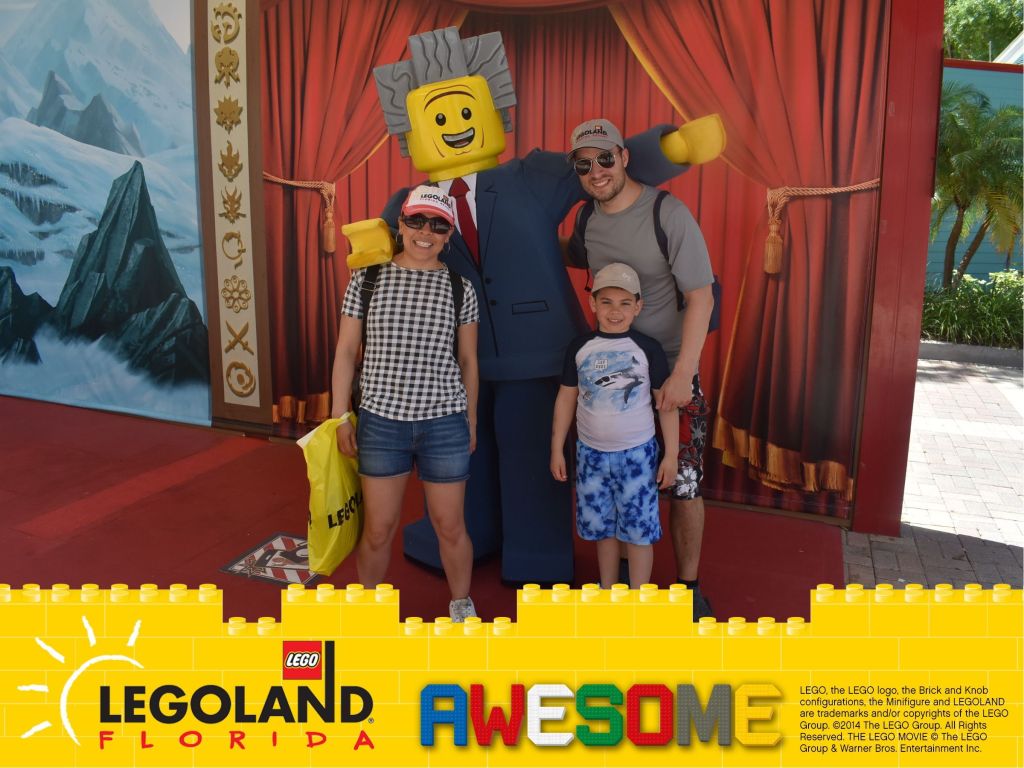
Fifteen years later, I am still here.
Still walking my own path.
Still choosing joy.
Living With Dystonia Today
I am not cured. DBS controls my symptoms, but dystonia is still part of my life.
I still:
- Struggle with speech almost every day — this started about two years ago. My tongue often gets in the way, especially when I’m emotional or nervous
- Experience abdominal movements when I’m overtired or lacking sleep
- Cannot write by hand or do fine motor tasks
- Live with limitations others can’t always see
But I can type.
I can work.
I can travel.
I can be a mom.
I can live.
And that is more than anyone expected all those years ago.
Why I’m Sharing My Story
Dystonia doesn’t define me.
It’s part of my story — not the end of it.
I’ve learned that your challenges don’t determine your worth or your future.
Your strength does.
Your attitude does.
Your willingness to keep going does.
This is my life.
My journey.
My path — twisted, unexpected, and beautiful.
If my story helps even one person feel less alone, then sharing it is worth it.
Thank you for walking it with me 💛
Stay tuned for more stories about living with dystonia.

 Living with Dystonia - By Jess
Leave a comment